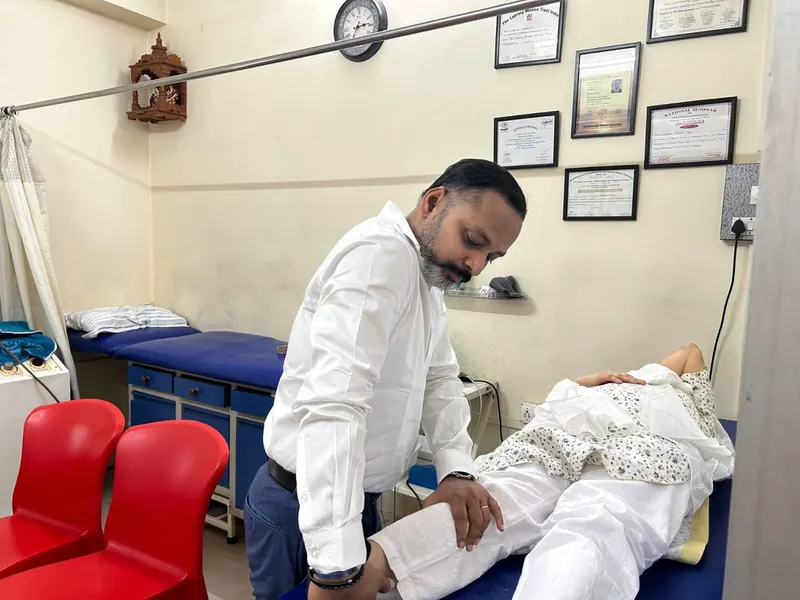
What Is Orthopaedic Physiotherapy
Orthopaedic physiotherapy is the specialised management of conditions affecting the bones, joints, muscles, ligaments, and tendons. At VPARC in Varanasi, Dr. Prashant Punj has extensive experience in orthopaedic rehabilitation - from acute fracture management and post-surgical recovery to chronic joint disease and sports injuries.
Whether you have had a recent accident, an orthopaedic surgery, or are managing a long-term joint condition, VPARC provides evidence-based physiotherapy that accelerates healing, restores full movement, and helps you return to normal activity as quickly and safely as possible.
Conditions Treated at VPARC
VPARC treats the full spectrum of orthopaedic conditions including fracture rehabilitation after cast removal, total knee replacement and total hip replacement recovery, ACL and PCL ligament reconstruction rehabilitation, shoulder surgery rehabilitation including rotator cuff repair and SLAP repair, ankle and Achilles tendon repair recovery, wrist and hand injury rehabilitation, spine surgery rehabilitation including discectomy and fusion, and osteoarthritis management of the knee, hip, and shoulder.
Dr. Punj works closely with orthopaedic surgeons across Varanasi. Many patients are referred directly from surgical teams at BHU, Heritage Hospital, and other major centres for post-operative physiotherapy.
The VPARC Orthopaedic Rehabilitation Approach
Our rehabilitation follows a phased protocol tailored to each diagnosis and procedure. Phase 1 focuses on pain and swelling control, gentle range of motion, and joint protection. Phase 2 builds progressive strength and functional movement. Phase 3 focuses on return to full activity including work, sport, or daily function.
Techniques used include manual joint mobilisation, therapeutic ultrasound, interferential therapy, progressive resistance training, proprioceptive training, and detailed home exercise programmes. VPARC also provides orthopaedic physiotherapy at home across Varanasi for patients who cannot travel in the early post-operative period.
Common Orthopaedic Problems and Typical Goals
- Fractures — regain movement, strength and walking after the cast or fixation
- Joint replacement — restore safe movement, strength and independence in daily tasks
- Arthritis — reduce pain and stiffness and keep joints moving
- Ligament and tendon injuries — rebuild control and strength, including tennis elbow and heel pain
- Spine problems — including slip disc and neck pain
Rehabilitation After a Fracture
Once the bone is healing and your doctor allows movement, physiotherapy helps with the stiffness, muscle wasting and weakness that follow a period in a cast or sling. Follow your surgeon’s instructions about when to begin and which movements to avoid.
How Progress Is Measured
- Pain at rest and with activity
- Joint range of motion
- Muscle strength
- Walking distance and ability to use stairs
- Return to specific tasks, such as work, prayer positions, driving or sport